Concrete Slab & Foundation Work
Solid foundations built right the first time for residential and commercial projects.
Your Foundation Supports Everything Above It
Every building starts with the foundation. Get this wrong and you will deal with problems forever. Cracks in walls, doors that stick, uneven floors, and moisture issues all trace back to foundation problems. That is why proper installation matters so much.
SLO Concrete Construction has been pouring slabs and foundations across San Luis Obispo since 2025. We know the local soil conditions, building codes, and best practices for our coastal climate. Our team takes the time to do it right because we understand what is at stake.
Types of Concrete Foundations We Install
- •Slab-on-grade foundations for homes, garages, and additions
- •Monolithic slabs with integrated footings
- •Stem wall foundations with crawl space access
- •Garage and shop building slabs
- •Shed and outbuilding pads
- •Commercial building foundations
We handle everything from small shed pads to large commercial buildings. Every project gets the same attention to detail whether we are pouring 200 square feet or 20,000 square feet. Your foundation needs to last as long as the building, and we make sure it does.
Why Site Preparation Makes or Breaks Your Foundation
The ground under your slab matters more than most people realize. Pour concrete on unstable soil and you get settling, cracking, and structural problems. We spend significant time on site prep because it determines how well your foundation performs for decades.
Soil Testing and Analysis
We evaluate your soil conditions before starting. San Luis Obispo has varied soil types from clay to sandy loam. Clay soil expands when wet and shrinks when dry, which can crack foundations. Sandy soil drains well but may need deeper footings. We adjust our approach based on what we find on your property.
Excavation and Grading
We remove topsoil and dig down to stable ground. The depth depends on your soil type, building size, and local codes. Proper grading ensures water flows away from the foundation instead of pooling against it. Even small drainage issues cause big problems over time, so we get this right from the start.
Base Material and Compaction
Next comes the base layer, usually crushed gravel or aggregate. This material provides a stable, well-draining platform for your concrete. We spread it in layers and compact each one thoroughly. Proper compaction prevents settling that leads to cracks. Some contractors skip this step to save time, but we never do.
Vapor Barriers and Insulation
We install vapor barriers under slabs to block moisture from rising through the concrete. This prevents mold, musty odors, and flooring damage. For heated buildings, we can add rigid foam insulation under the slab to improve energy efficiency. These extras cost a bit more upfront but save money and prevent problems later.
Building Strength Into Every Foundation
Concrete is strong in compression but weak in tension. That means it handles weight pressing down well but cracks easily when pulled apart. Steel reinforcement solves this problem by giving concrete the tensile strength it lacks naturally.
Rebar and Wire Mesh
We use steel rebar or welded wire mesh in most slabs. Residential foundations typically get wire mesh or a rebar grid. Commercial projects and heavier structures need more substantial reinforcement. The steel prevents cracks from spreading and holds the concrete together if the ground shifts slightly.
Concrete Mix Design
Not all concrete is the same. Foundation concrete needs the right strength rating, typically 3000 to 4000 PSI for residential work. We order fresh concrete from local suppliers and verify the mix meets specifications. The concrete truck arrives at your site ready to pour, and we work quickly to place and finish it before it starts setting.
Pouring and Finishing
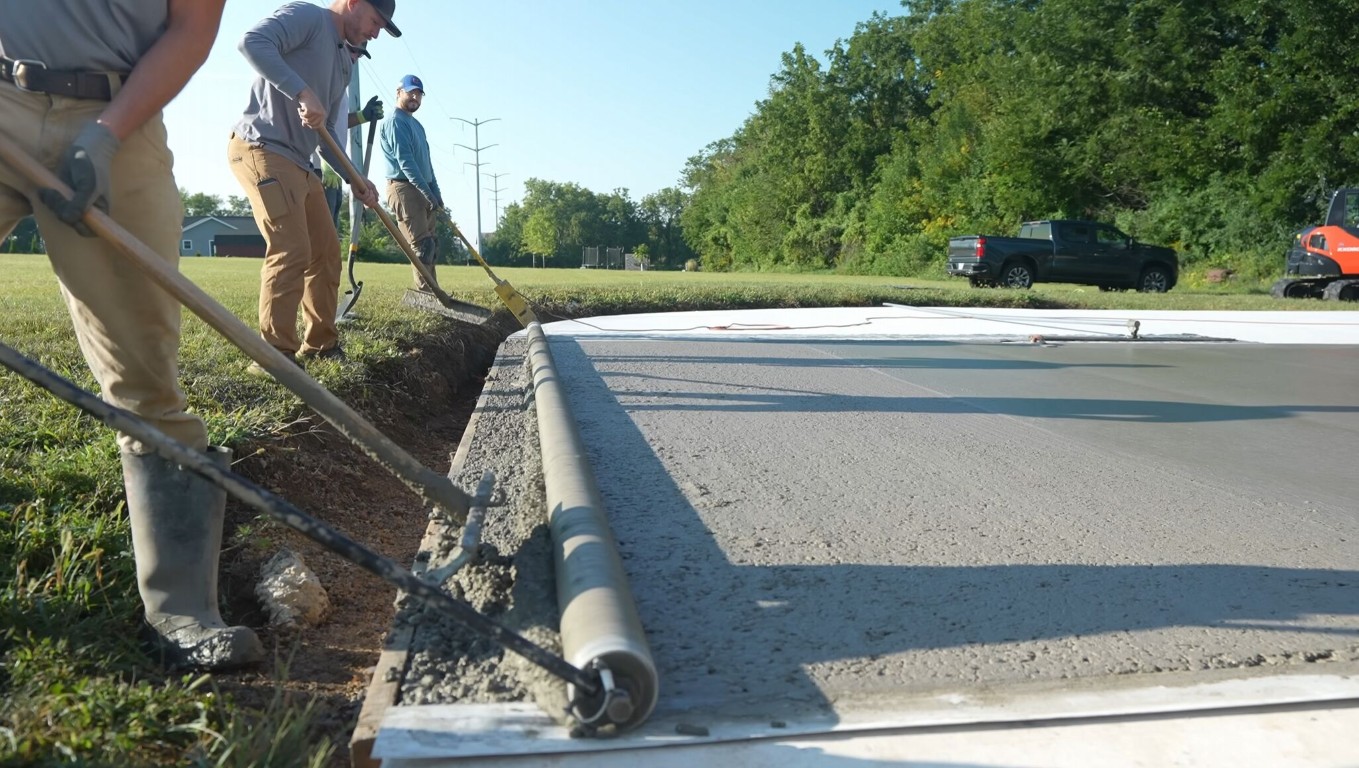
Our crew spreads the concrete evenly and uses vibrators to eliminate air pockets. We screed the surface level, float it smooth, and create control joints to manage cracking. For garage and workshop slabs, we add a broom finish for traction. Garage floor coatings can be applied later for extra protection.
Curing Process
Proper curing is critical for strength. We apply curing compounds or cover the slab with plastic to slow moisture loss. The concrete needs to stay moist for at least 7 days to reach proper strength. Rush this step and you get weak, cracked concrete that will not last. We protect your investment by doing it right.
Frequently Asked Questions
Need a Solid Foundation?
Trust San Luis Obispo's concrete foundation experts to build it right.
Call (805) 269-8770